British Traditions: 5 Famous Events That Celebrate British Culture
Beyond the laws passed in Parliament, a nation’s identity is defined by its living history. Across the United Kingdom, the changing seasons are marked by traditional gatherings, festivals, and ceremonies that have endured for centuries. These famous events are more than just spectacles; they are milestones of British culture that bring local communities together and preserve a shared history. [1, 2, 3]
Here are five iconic events that perfectly celebrate the rich heritage and enduring customs of the UK.
1. The Highland Games (Scotland)
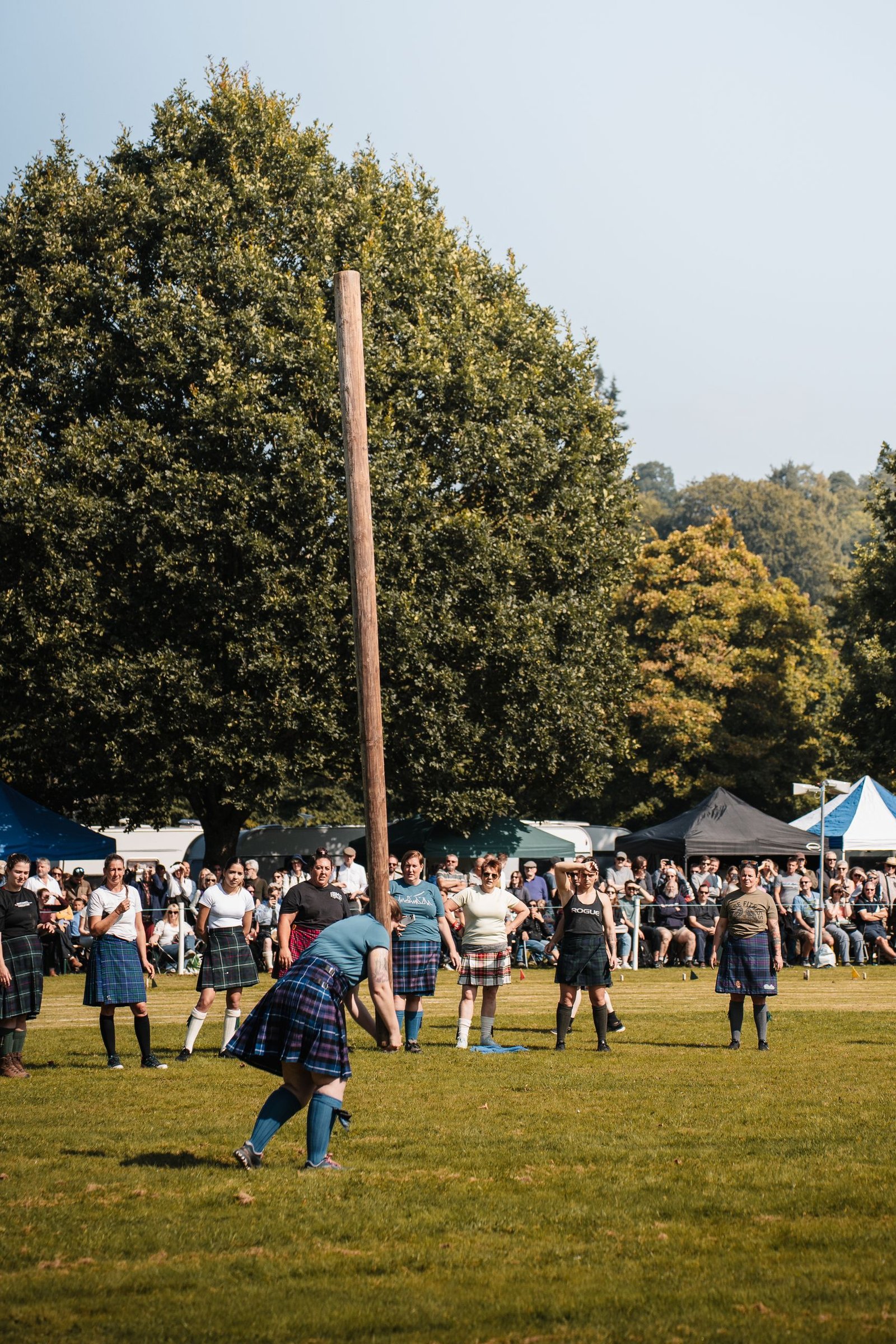
Dating back to the 11th century, Scotland’s Highland Games are a massive celebration of Celtic culture, athletic prowess, and community heritage.
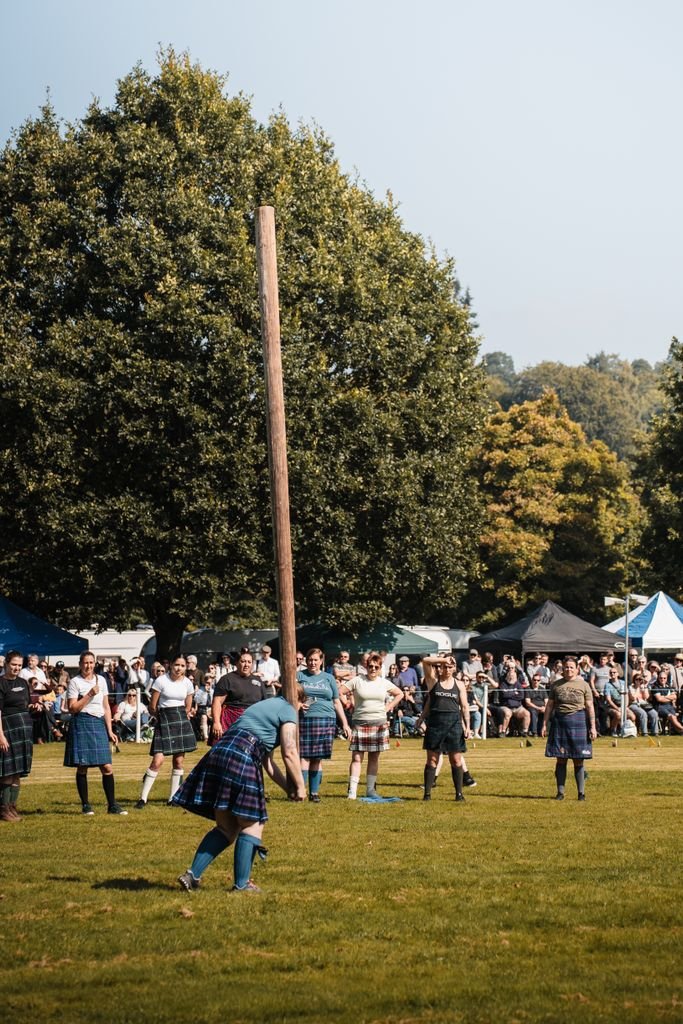
- The Features: Held across various Scottish towns throughout the summer, the games feature heavy athletics—such as the famous “tossing the caber”—alongside traditional bagpipe competitions and Highland dancing.
- The Heritage: Originally used by ancient chieftains to select their strongest warriors, the games remain a powerful symbol of Scottish identity, attracting visitors from all over the world.
2. Bonfire Night / Guy Fawkes Night (UK-Wide)
Every year on the 5th of November, skies across the United Kingdom light up with firework displays and community bonfires. [1]
- The Features: Local neighborhoods gather around massive fires, burn effigies known as “guys,” and share seasonal autumn foods like jacket potatoes and toffee apples. [1]
- The Heritage: The tradition marks the historical survival of King James I and Parliament following the discovery of the failed Gunpowder Plot in 1605. Over four centuries later, it stands as one of Britain’s most widely observed seasonal traditions. [1, 2]
3. The National Eisteddfod (Wales)
The National Eisteddfod is Europe’s largest festival of competitive poetry, music, and performance, deeply rooted in Welsh history.
- The Features: Held entirely in the Welsh language, this nomadic festival travels to a new location in Wales every August, featuring visual arts, literature, and dramatic crowning ceremonies for local bards.
- The Heritage: Tracing its lineage back to the first official gathering of poets and musicians in 1176, the Eisteddfod serves as a vital custodian of Welsh linguistic and artistic identity.
4. Trooping the Colour (London)
Serving as the official birthday celebration of the British Monarch for over 260 years, Trooping the Colour is a masterclass in military pageantry.
- The Features: Held every June on Horse Guards Parade, the event features hundreds of officers, horses, and musicians from the Household Division in full ceremonial dress uniform, culminating in a Royal Air Force flypast witnessed from the Buckingham Palace balcony.
- The Heritage: The tradition originates from the battlefield custom of “trooping” a regiment’s colored flag slowly through the ranks so that soldiers could easily recognize their battalion’s rallying point during the chaos of combat.
5. Traditional Agricultural Shows (Regional UK)
From the massive Royal Highland Show to localized village events, regional agricultural shows form the backbone of rural British summer culture. [1]
- The Features: These outdoor country gatherings showcase heritage livestock breeds, vintage farming machinery, local food markets, and traditional country crafts.
- The Heritage: Originating in the 18th century as educational fairs to improve farming efficiency, modern agricultural shows remain crucial events for celebrating rural industries and supporting local UK farmers. [1]
Understanding Our Living History
Whether it is the sound of bagpipes echoing across a Scottish loch or families watching fireworks on a crisp November evening, these seasonal gatherings keep our historical roots alive. They remind us that British culture is built on continuity, community spirit, and a deep appreciation for the customs that connect our past to our present. [1]