
The Evolution of Fairness: How the Fight for Equality Shaped Modern British Values
When we talk about modern British values, we frequently point to democracy, the rule of law, and individual liberty. But one of the most transformative elements of our shared social fabric is our deeply rooted cultural belief in universal fairness. The journey toward women’s rights in the United Kingdom is a profound testament to human reason and the active evolution of our legal system to protect citizens equally, regardless of gender.
Understanding this history shows how our secular laws and cultural ethics adapted over generations, not through simple, quiet progression, but through intense civic action and legal reform.
1. The Legal Turning Points of Financial Independence
For centuries under English common law, the doctrine of “coverture” meant that a married woman had no distinct legal identity separate from her husband. She could not independently own property, sign contracts, or even keep her own wages.
The dismantling of this system formed the bedrock of modern economic equality:
- The Married Women’s Property Act 1870 & 1882: These landmark parliamentary acts completely shifted British family law. For the first time, women were granted the explicit legal right to own, buy, and sell property, inherit wealth, and keep their hard-earned income independent of their spouses.
- The Societal Impact: This legislation established the foundational legal standard that financial autonomy is a basic human right protected by the state. It allowed women to enter the commercial world as independent legal entities.
2. The Suffrage Movement: Constitutional Campaigning vs. Militant Action
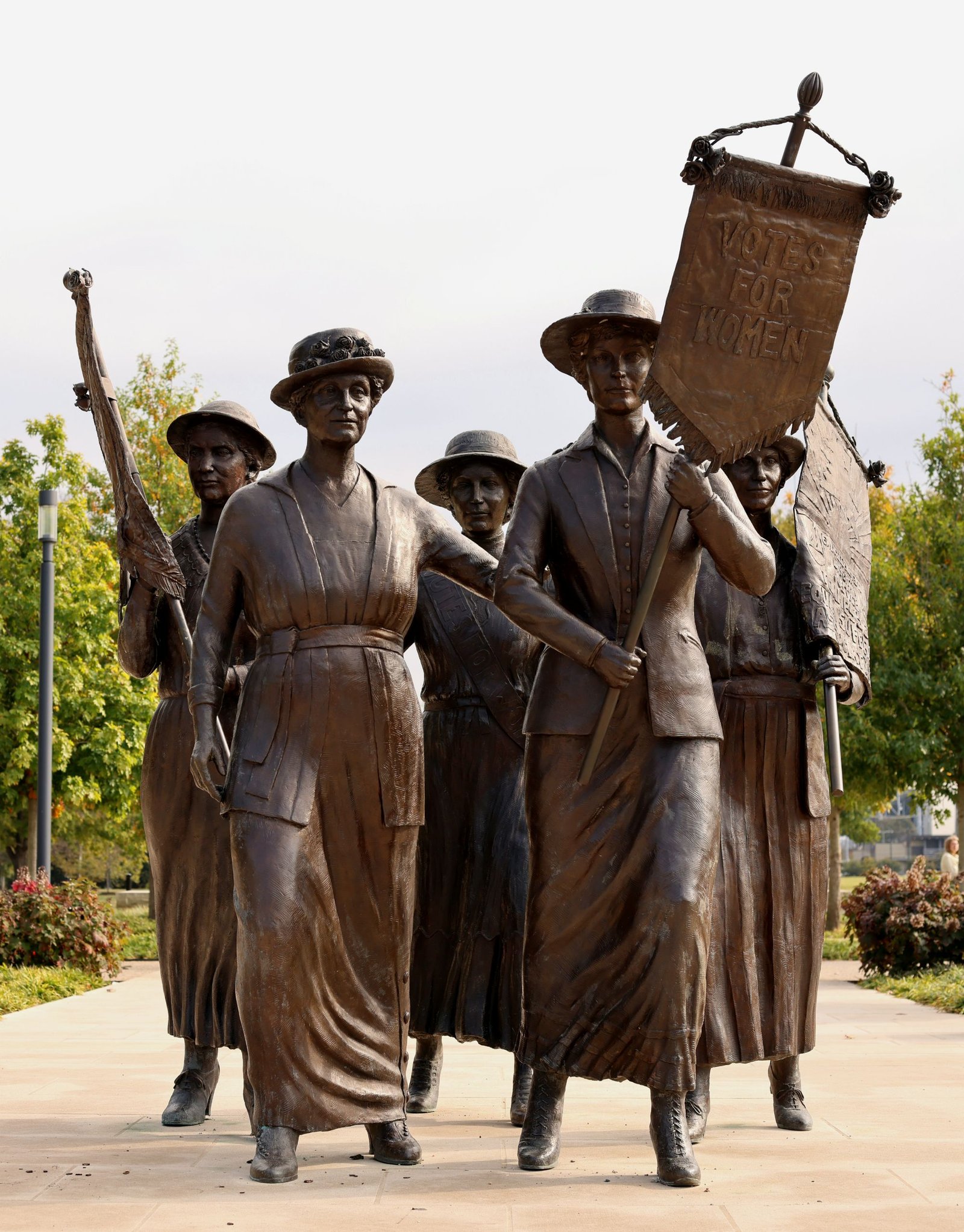
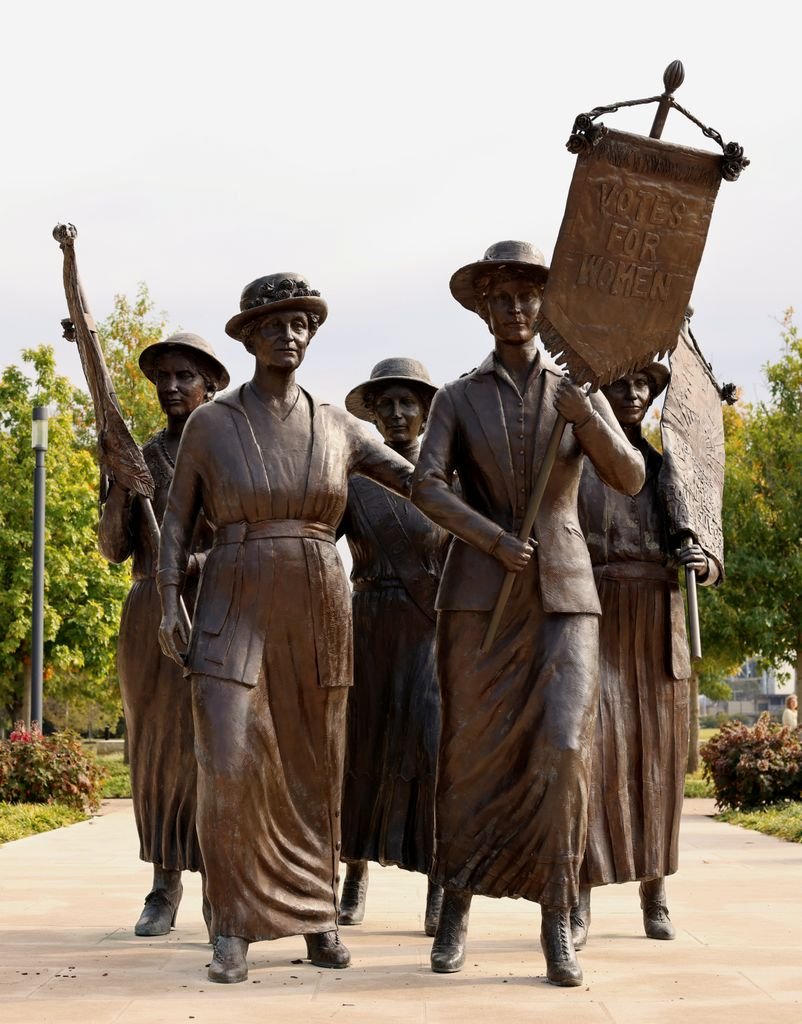
The fight for the right to vote remains one of the most intense and dramatic chapters in British civic history. It proved that expanding the democratic floor required immense personal sacrifice and active struggle against entrenched institutional resistance. The movement operated on two distinct fronts, each utilizing vastly different methods:
The Suffragists (NUWSS)
Led by Millicent Fawcett, the National Union of Women’s Suffrage Societies favored constitutional, peaceful lobbying. They believed that the best path to victory was through building relationships with MPs, organizing peaceful public meetings, and presenting massive, signed petitions to Parliament.
The Suffragettes (WSPU)
Disillusioned by decades of failed political promises, Emmeline Pankhurst founded the Women’s Social and Political Union under the battle cry “Deeds, not words”. The Suffragettes turned to direct, militant tactics to force the state to acknowledge their demands. They engaged in high-profile property destruction, shattered storefront windows, cut communication wires, disrupted political meetings, went on hunger strikes in prison, and clashed directly with police forces on British streets.
The Legislative Outcome
The combined pressure of these continuous campaigns, alongside women’s undeniable economic and industrial contributions on the home front during the First World War, finally forced Parliament to act:
- The Representation of the People Act 1918: Granted the right to vote to women over the age of 30 who met specific property criteria.
- The Representation of the People Act 1928: Abolished all remaining gender disparities, achieving total voting equality by giving both men and women the right to vote at age 21.
3. Modern Workplace Equality and the Rule of Law
True social equality requires robust protection within daily economic and professional life, ensuring that individual merit and fairness remain the only metrics that matter.
- The Equal Pay Act 1970: Spurred into action by the historic 1968 strike of female sewing machinists at the Ford Dagenham plant, this statutory act made it legally mandatory to offer equal pay and identical employment terms for men and women performing the same or broadly similar work.
- The Equality Act 2010: This comprehensive piece of legislation streamlined separate anti-discrimination laws into a single framework. It legally protects individuals from discrimination, harassment, and victimization based on sex, alongside other protected characteristics, across workplaces, education, and public services.
A Shared Standard for the Future
The history of equality laws in the UK is a powerful reminder that our shared values are built on a continuous commitment to reason, fairness, and human dignity. Upholding these hard-won standards ensures that British society operates under a single, universal standard: the absolute rule of English law, where individual liberty is protected equally for every citizen.