
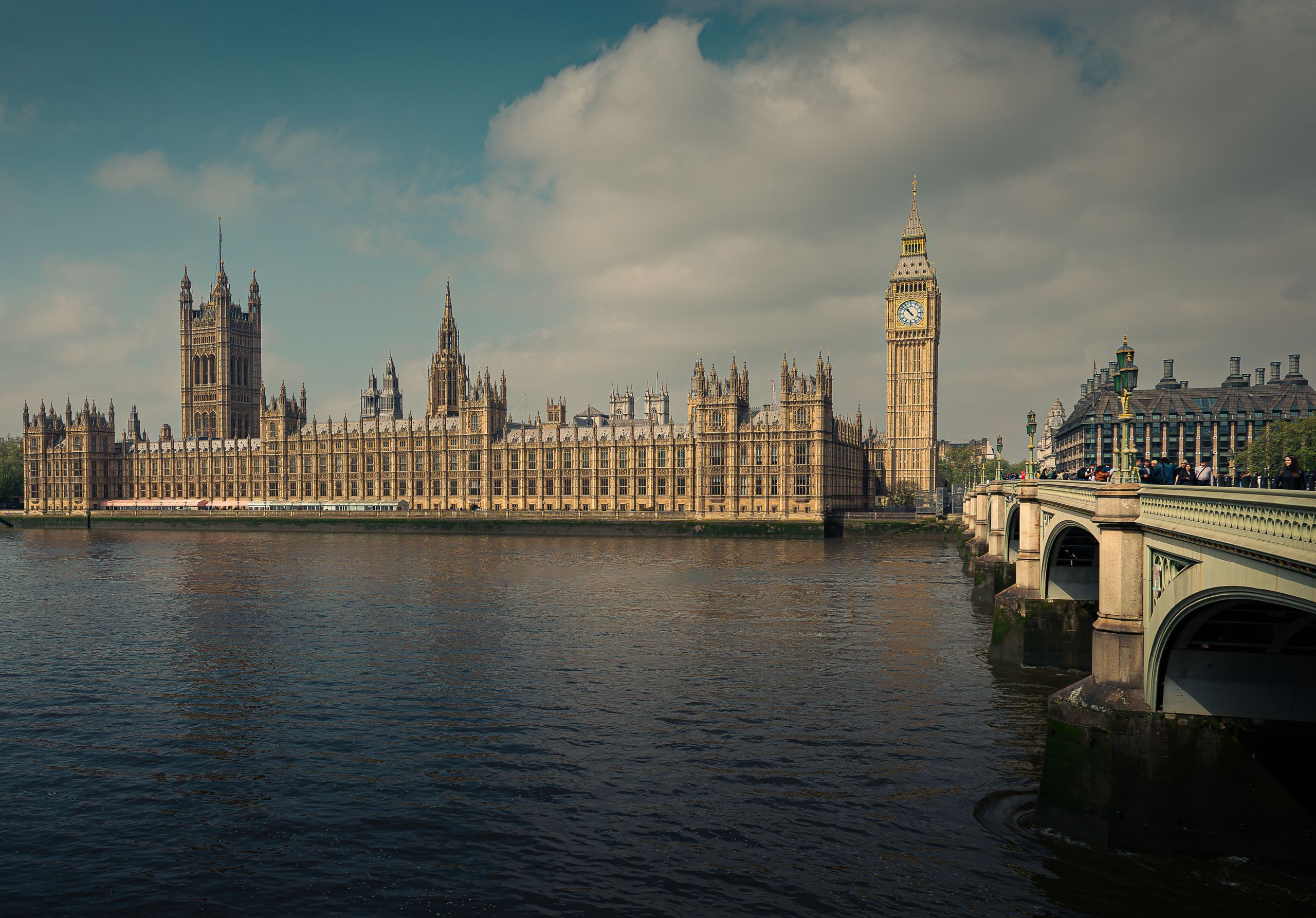
The Two-Year Audit: A Clear-Eyed Look at Labour’s Statutory Reforms and International Pacts 2026
The abrupt end of Sir Keir Starmer’s premiership leaves behind an intense legislative and diplomatic footprint. In just two years, the administration launched several rapid domestic overhauls while aggressively trying to rebuild Britain’s international standing after years of perceived isolationism. [1]
Here is the objective data behind the key domestic and global policies enacted during this administration, and why structural progress has faced severe bottlenecks.
1. Major Domestic Policy Achievements Enacted
According to official GOV.UK policy logs and BBC News tracking, the administration pushed through several definitive statutory interventions:
- Nationalisation of the Railways: Under the Passenger Railway Services (Public Ownership) Act 2024, the government began dismantling the private franchise model, systematically returning operators into public sector hands as private contracts expired naturally.
- The Machete and Zombie Knife Ban: Expanding on community safety initiatives, the Home Office instituted a zero-tolerance ban on the importation, manufacture, possession, and sale of zombie-style knives and machetes.
- Child Safeguarding Revisions: Following intense audits, the Department for Education overhauled child protection rules to close legal loopholes that historically allowed at-risk children to be returned to parents with documented records of domestic abuse.
- Tougher Immigration Language Rules: The Home Office implemented a major shift in legal settlement paths, raising the mandatory English language requirement for Indefinite Leave to Remain (ILR) from GCSE standard (B1) to A-level standard (B2).
2. International Diplomatic and Trade Deals
The administration shifted away from total diplomatic non-engagement, initiating high-profile leader-to-leader discussions across Asia:
- The China Diplomatic Re-engagement: Sir Keir Starmer became the first British Prime Minister to visit Beijing in eight years. The high-level bilateral talks focused on reopening formal economic channels, stabilizing volatile supply chains, and addressing mutual security concerns, while balancing domestic pushback regarding international human rights standards. [1]
- The UK-Japan Comprehensive Partnership: Meeting with international partners, the administration reinforced trade links under existing frameworks, targeting billions in prospective mutual investments for UK green offshore energy installations and specialized financial services infrastructure.
3. Education: School Lunches and Breakfasts
- Free School Breakfast Clubs: To combat early-morning absences and support working families, the Department for Education launched funding to roll out free breakfast clubs across primary schools nationwide.
- Nutritional Expansion Debates: The administration faced ongoing pressure from child welfare campaigns to expand the baseline statutory eligibility criteria for Free School Meals, focusing heavily on restructuring parameters for families receiving Universal Credit.
4. Healthcare: Community “Neighbourhood” Hubs
The 10-Year Health Plan, launched in July 2025, completely shifted the focus of the NHS away from treating illness in massive regional hospitals and toward localized prevention. [1, 2]
- The Neighbourhood Health Service: The government formally began establishing localized community health centers under its Neighbourhood Health Framework. [1, 2]
- The Goal: These community hubs group GPs, district nurses, consultants, and care professionals into single, patient-centered local teams. This layout keeps minor illnesses, minor surgeries, and preventative diagnostics entirely out of crowded hospital waiting rooms. [1, 2, 3]
5. Illegal Immigration Figures: Year-on-Year Drop
According to the latest figures from the Migration Observatory and the Home Office, illegal entry routes dropped substantially under the administration: [1, 2]
- The Channel Small Boat Crossings: Total small boat arrivals in the year ending May 2026 stood at around 36,000 people, which represents a 13% drop compared to the same 12-month period the previous year (which saw 41,000 arrivals). [1]
- Short-Term 2026 Statistics: Looking strictly at the start of the year (January 1 to June 21, 2026), Channel crossings dropped to 11,054—a sharp 40% decrease compared to the identical timeline in 2025. [1]
- Other Illegal Entries: Detections of people entering illegally via ferries, airports, or hiding inside vehicles dropped by 22% down to 4,535 over the same period. [1]
6. Integration and Language Standards
Rather than creating identity-based integration laws, the state tightened legal pathways to force cultural alignment through employment and linguistic capability:
- The B2 English Standard: As highlighted in your previous audit, the Home Office raised the legal integration floor. To qualify for permanent residency (Indefinite Leave to Remain), migrants must now prove conversational and professional fluency at the stricter B2 (A-level standard) rather than the older B1 (GCSE level) benchmark.
- The 10% International Cap: To reduce reliance on overseas recruitment, the 10-Year NHS plan limits international medical recruitment to just 10% of total staff by 2035, funding thousands of domestic nursing apprenticeships to ensure local UK communities power public infrastructure. [1]
7. Special Educational Needs (SEND) Boost
- Addressing Systemic Funding Pressure: Recognizing that the National Audit Office flagged local special educational needs infrastructure as highly strained, the government directed targeted emergency funding allocations to help local councils manage accumulating deficits.
- Structural Reform Consultations: The Department for Education initiated cross-party consultations to reform how Education, Health, and Care Plans (EHCPs) are administered, aiming to standardize support thresholds across different local authorities.
8. The Two-Child Benefit Cap Lift: Pros and Cons
The historic child poverty strategy saw the official abolition of the controversial two-child limit on benefit payments, which previously restricted universal credit extensions to only the first two children in a family. [1]
+------------------------------------------+------------------------------------------+

| The Pros (Why it was done)               | The Cons (The public pushback)           |
+------------------------------------------+------------------------------------------+

| Over 100,000 children were lifted out    | Adds severe, recurring multi-billion-    |
| of poverty almost overnight.     | pound costs to public finances.          |
+------------------------------------------+------------------------------------------+

| Significantly reduced daily food bank    | Critics argue it removes financial       |
| reliance among working-class families.   | responsibility from larger households.   |
+------------------------------------------+--------------------------------------
9. Blockers for Progress
Stalled Policies: The Energy Price Split
One of the most heavily discussed domestic economic proposals was the plan to decouple the price of cheap, home-grown renewable energy from expensive imported gas and oil.
- The Stagnation: The policy stalled during the consultation phase. Splitting the national grid’s pricing engine proved incredibly difficult due to complex commercial contracts with international energy suppliers and warnings that a sudden split could deter private investments in green energy infrastructure.
Why Structural Progress Faced Severe Bottlenecks
While the government could pass laws quickly in Parliament due to its large majority, executing those changes on the ground was slowed down by long-term institutional blockages:
- Why Court System Reforms Delayed Knife Crime Dropping: Banning machetes made the weapons illegal, but prosecuting offenders ran directly into an over-burdened judicial system. Severe backlogs in the UK courts meant that the time between an arrest and a criminal trial stretched to record lengths, weakening the immediate deterrent effect of the new laws.
- Why Global Deals Sparked Local Debate: While the China trip brought major commercial wins, the Prime Minister faced intense criticism at home for pursuing trade with Beijing despite ongoing human rights concerns in Xinjiang and Tibet, forcing the administration into a difficult balancing act between national security and economic growth. [1, 2]
- Why Child Protection Changes Stalled Locally: Tightening the legal rules around returning at-risk children to families did not automatically fix social services. Local councils across the UK faced severe recruitment shortages and high social worker turnover, meaning understaffed teams struggled to execute the stricter monitoring checks required by the new guidelines.